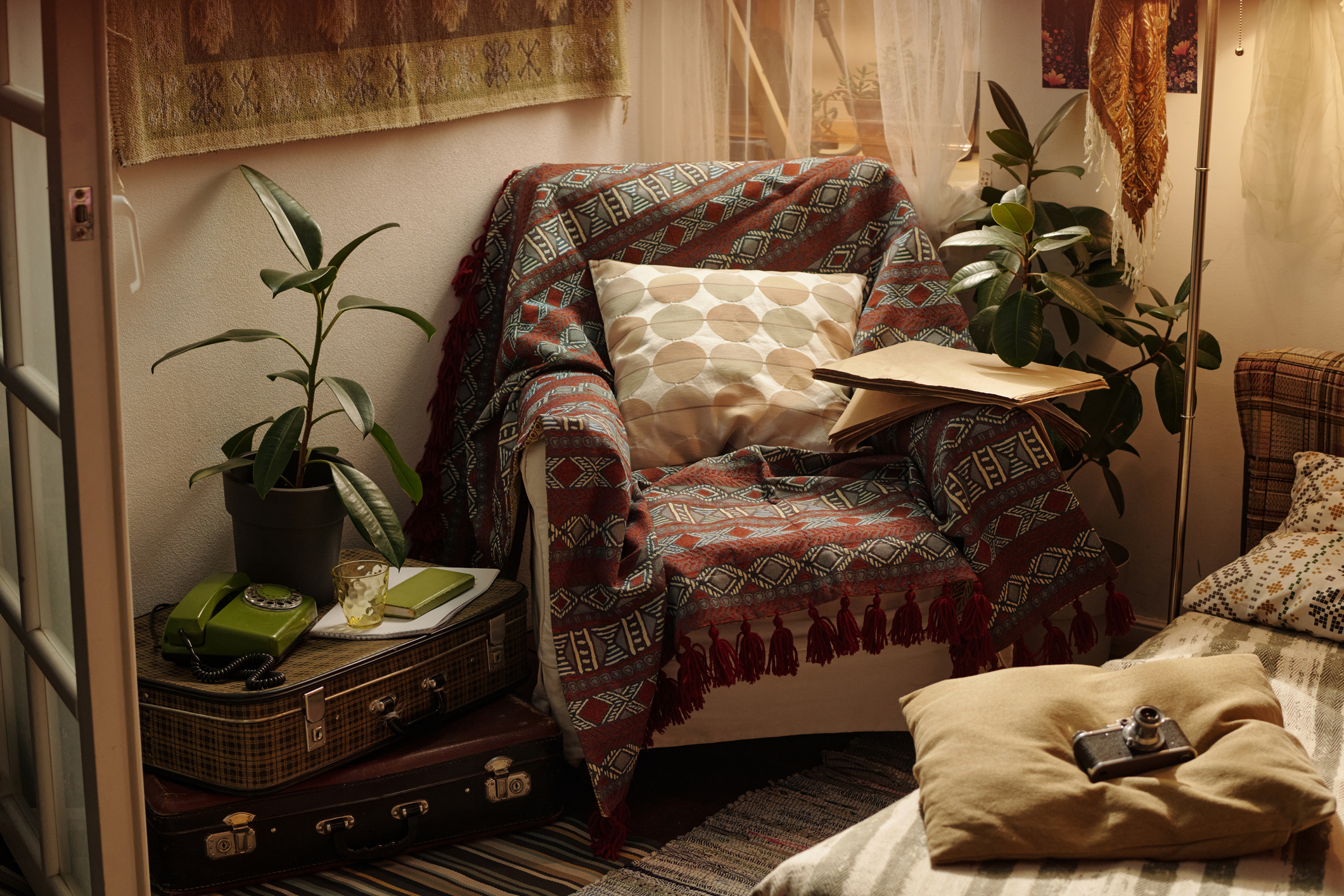
An armchair does more than provide a place to sit. It shapes how your living room feels, how you use the space, and how comfortable you are day to day. The right armchair balances comfort, proportion, material, and style so it works with your room rather than competing with it.
Choosing well takes more than picking a design you like. You need to think about how you live, how the room functions, and how the chair will sit alongside your sofa, tables, and lighting. This guide walks you through every key decision so you can choose an armchair that looks right, feels right, and lasts.
Before looking at styles or finishes, decide what role the armchair will play in your living room. This single step will narrow your options significantly.
If the chair is for everyday use, comfort comes first. You will want generous seat depth, supportive arms, and a backrest that suits long periods of sitting. If the chair is mainly for occasional use, visual impact may matter more than deep cushioning.
Ask yourself a few simple questions:
A reading chair may need a higher back and firmer seat to support posture. A social chair positioned near a sofa may prioritise openness and arm height that matches nearby seating. A decorative accent armchair may focus on shape and material rather than softness.
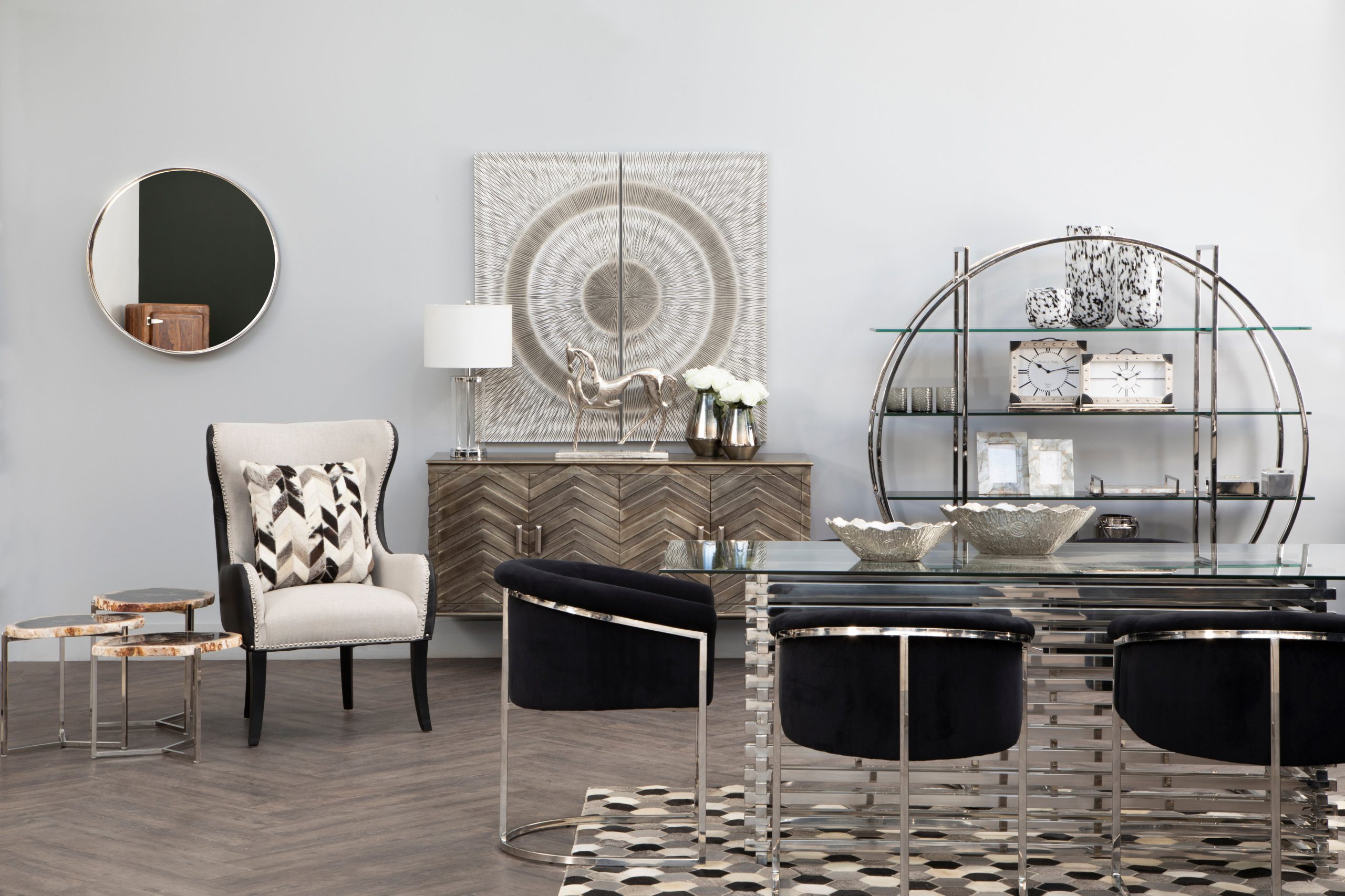
An armchair that looks perfect in isolation can overwhelm a room if the proportions are wrong. Measuring your space properly avoids this problem.
Start with the footprint. Measure the width and depth of the area where the chair will sit. Leave enough clearance for walkways, side tables, and foot traffic. As a general rule, allow at least 60 centimetres of clear space for main walkways.
Next, think vertically. High back armchairs can dominate a small living room, while low back designs suit open plan spaces or rooms with large windows. Consider sight lines across the room and how the chair will look from different angles.
If the chair will sit near a coffee table or side table, check arm height. Arms that are too high can feel awkward next to lower tables, while very low arms may not provide enough support.
Comfort is not universal. Seat depth and height should suit the people who will use the chair most often.
Seat height affects how easy it is to sit down and stand up. Standard armchairs usually sit between 40 and 45 centimetres from the floor to the seat cushion. Taller users may prefer slightly higher seating, while lower seats create a relaxed, lounge feel.
Seat depth affects posture. Deeper seats are comfortable for lounging but may not support shorter users as well. Shallower seats encourage upright sitting and are often better for reading or conversation.
If possible, test similar proportions before buying. If not, check detailed dimensions and compare them to chairs you already find comfortable.
Arms define both comfort and appearance. They affect how relaxed the chair feels and how it fits alongside other furniture.
Wide, padded arms offer comfort and a casual feel. Slim or sculpted arms look lighter and suit contemporary or minimalist interiors. Wooden arms add structure and work well in Scandinavian or mid-century inspired spaces.
Think about how you sit. If you like to rest your arms while reading or watching television, padded arms matter. If you prefer a visually lighter look, slimmer arms may be a better choice.
Arm height also matters when pairing the chair with sofas or tables. Ideally, arm heights should feel balanced across the seating area, even if they are not identical.
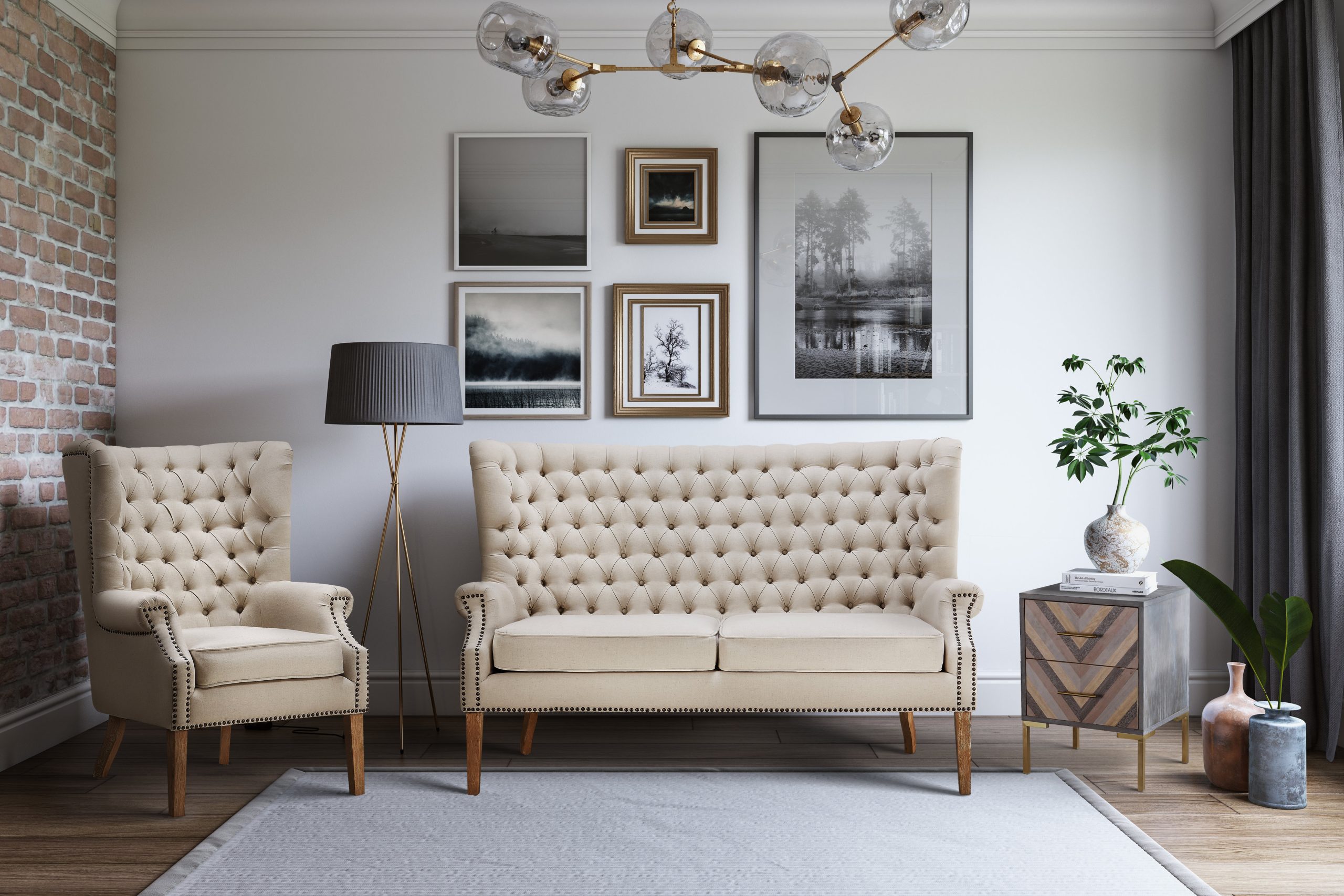
Backrest height and shape play a major role in how supportive an armchair feels.
High back armchairs provide excellent upper back and neck support. They suit reading corners and quieter areas of the living room. Lower back designs feel more open and informal and work well in social spaces.
Some chairs feature angled or curved backs that cradle the body. Others have straighter backs that encourage upright posture. Neither is better universally. It depends on how you plan to use the chair.
If the chair will face the television, consider head and neck support. If it will face into the room for conversation, a slightly lower back can help maintain openness.
Your armchair should complement your living room style without matching everything exactly. Balance is more interesting than uniformity.
In modern interiors, look for clean lines, simple shapes, and neutral or textured fabrics. In traditional spaces, classic silhouettes with rolled arms or buttoned backs work well. Rustic or natural interiors suit wooden frames and earthy tones.
If your sofa is large and understated, an armchair can introduce contrast through shape or fabric. If your sofa already makes a statement, choose a calmer chair that supports the overall look.
Avoid choosing an armchair purely because it matches another piece. Instead, focus on whether it belongs in the same design language.
The material you choose affects durability, maintenance, and comfort.
Fabric armchairs feel soft and inviting. They offer the widest range of colours and textures. Consider tightly woven fabrics for durability, especially in busy homes. Removable covers make cleaning easier.
Leather armchairs age beautifully and are easy to wipe clean. They suit both modern and classic interiors. Keep in mind that leather can feel cooler in winter and warmer in summer.
Wooden frames add warmth and structure. Exposed wood works particularly well in natural or Scandinavian inspired spaces. Check the finish to ensure it suits the rest of your furniture.
If you have children or pets, prioritise materials that resist wear and stains. Comfort matters, but practicality keeps the chair looking good long term.
Colour choice affects how prominent the armchair feels within the room.
Neutral colours such as beige, grey, or soft brown create a calm look and are easy to style over time. They work well if you want the chair to blend in.
Darker colours add depth and hide wear more effectively. Lighter shades can brighten a space but may require more care.
Texture is just as important as colour. Boucle, linen, wool blends, or smooth leather all change how the chair feels visually. Mixing textures between your sofa and armchair adds interest without overwhelming the space.
If you want flexibility, choose a neutral base and introduce colour through cushions or throws.
Where you place your armchair affects how useful it becomes.
A chair angled slightly towards the sofa encourages conversation. A chair positioned near a window creates a natural reading spot. A pair of armchairs facing each other works well in larger living rooms.
Avoid pushing the chair hard against a wall unless space demands it. Leaving a small gap helps the room feel more relaxed and considered.
Lighting also matters. Position a floor lamp or table lamp nearby so the chair is usable in the evening without relying on overhead lighting.
A well made armchair is an investment piece. It should feel solid, supportive, and well finished.
Check frame construction, cushion quality, and stitching. Hardwood frames and high density foam or sprung seats tend to last longer. Cheaper chairs may look appealing initially but lose comfort quickly.
Decide where to spend. If the chair will be used daily, invest more in comfort and build quality. If it is mainly decorative, you may prioritise design.
A good armchair should last many years, both physically and stylistically.
Choosing the perfect armchair takes time, but the effort pays off. When comfort, proportion, style, and material align, the chair becomes a natural part of your living room rather than an afterthought.
Focus on how you live, measure carefully, and choose materials that suit your lifestyle. A well chosen armchair will support daily comfort, enhance your interior, and remain a favourite place to sit for years to come.
When you get it right, the armchair does not just fill a space. It completes it.