
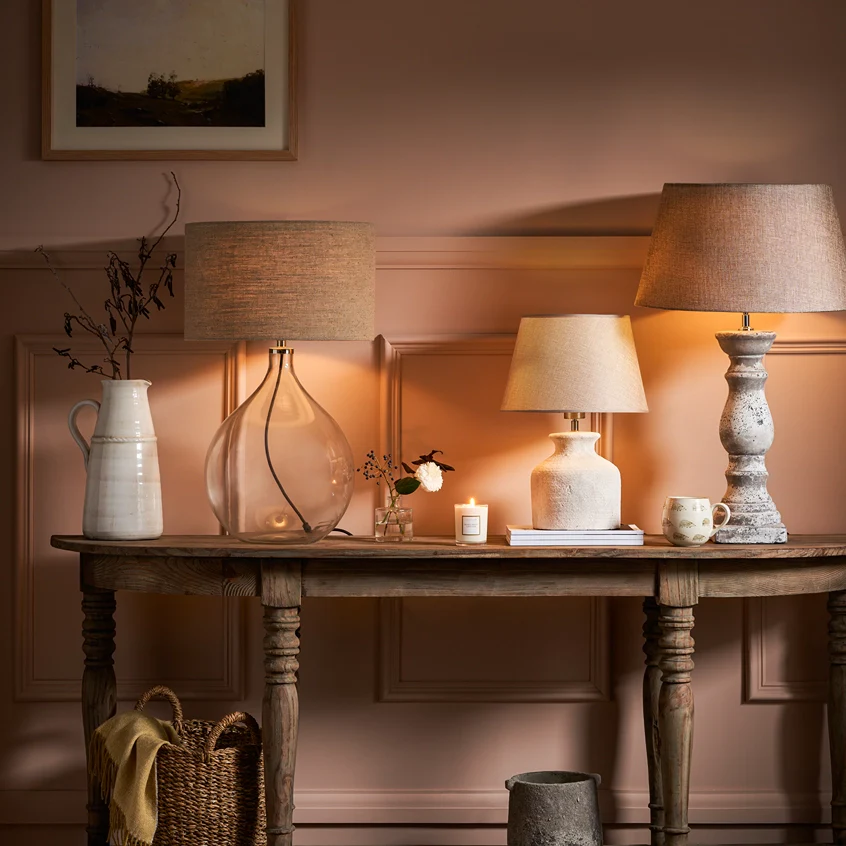
Lighting shapes how your living room looks, feels, and works. It affects mood, comfort, and how you use the space at different times of day. A single ceiling light is rarely enough to meet all these needs. That is why layered lighting remains essential in modern living rooms.
Layering lighting means combining different light sources at different heights and intensities. Each layer serves a purpose, from general visibility to focused tasks and ambient atmosphere. When done well, layered lighting creates a living room that feels welcoming, flexible, and practical without relying on harsh overhead light.
This guide explains how to layer lighting effectively so your living room works for everyday life as well as relaxed evenings.
Living rooms are multifunctional spaces. They host conversations, quiet evenings, reading, television viewing, and social gatherings. Each activity requires a different type of light.
Relying on one central ceiling light forces you to compromise. Bright overhead light may work for cleaning or daytime use but feels uncomfortable in the evening. Low lighting may feel cosy but makes tasks difficult.
Layered lighting solves this problem by giving you control. You can adjust light levels and focus depending on what you are doing. This flexibility improves comfort and helps the room feel intentional rather than flat.
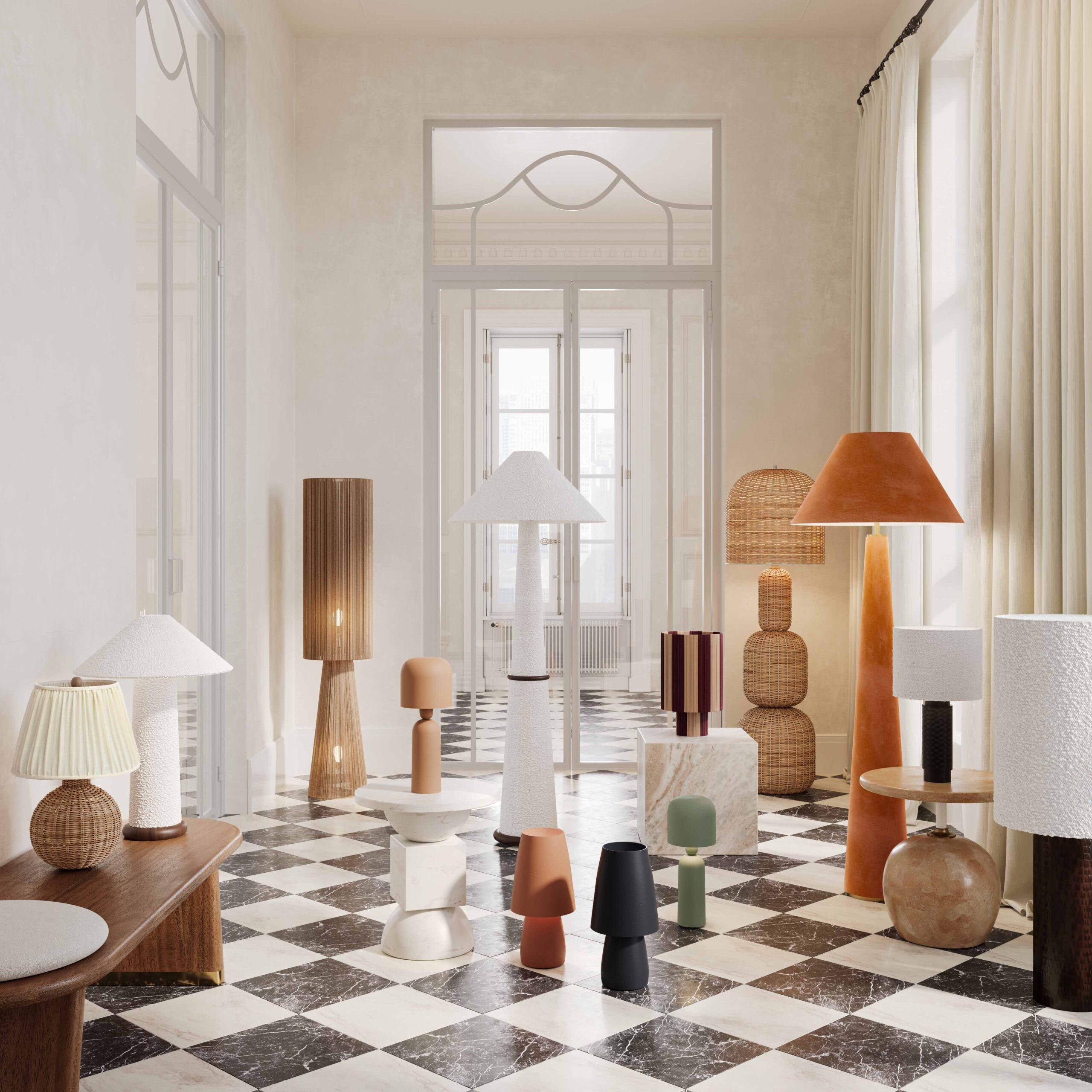
To layer lighting properly, you need to understand the three core layers used in interior design.
Ambient lighting provides overall illumination. Task lighting focuses on specific activities. Accent lighting adds depth and atmosphere. Each layer supports the others.
A well lit living room uses all three in balance rather than relying too heavily on one.
Ambient lighting is the base layer. It ensures the room is evenly lit and safe to move around in.
In most living rooms, ambient lighting comes from ceiling lights such as pendants, chandeliers, or flush fittings. Wall lights and uplighters can also contribute.
Choose ambient lighting that spreads light softly rather than creating harsh shadows. Warm white bulbs create a more relaxed feel than cool white tones, especially in spaces used during the evening.
Dimmers are essential for ambient lighting. They allow you to reduce brightness when full light is not needed, helping shift the room from functional to comfortable.
Ceiling lights should support the room rather than dominate it. Large chandeliers or statement pendants can work well if the room has sufficient ceiling height and space.
In smaller living rooms, simpler ceiling lights prevent visual clutter. Multi light fittings can help distribute light evenly without creating glare.
Avoid positioning ceiling lights directly above seating areas where they can feel oppressive. Centre them within the room or use multiple fittings to spread light more naturally.

Task lighting focuses light where you need it most. In living rooms, this often includes reading, working, or hobbies.
Floor lamps are one of the most effective task lighting options. Placed beside sofas or armchairs, they provide focused light without affecting the rest of the room. Adjustable arms or shades offer extra control.
Table lamps also work well for task lighting, especially on side tables or console tables. They create pools of light that make the space feel intimate while still being functional.
When choosing task lighting, consider shade direction and bulb strength. The light should be bright enough to prevent eye strain but not so strong that it overpowers the room.
Accent lighting adds depth and character. It highlights features and softens the overall look of the living room.
This layer includes wall lights, picture lights, shelf lighting, and uplighters. Accent lighting draws attention to textures, artwork, or architectural details.
In living rooms without strong architectural features, accent lighting still plays an important role. It creates visual interest and prevents the room from feeling flat once overhead lights are dimmed.
Use accent lighting sparingly. Too much can feel busy. The goal is subtle enhancement rather than distraction.
One of the key principles of layered lighting is variation in height. Light coming from a single level feels unnatural and unbalanced.
Ceiling lights provide height. Floor lamps sit at eye level when seated. Table lamps add light at a lower level. Wall lights bridge the gap.
By spreading light vertically, you create a more comfortable environment. This reduces harsh shadows and makes the room feel more inviting.
When planning lighting, step back and consider where light sources sit in relation to furniture and sight lines. Aim for balance rather than symmetry.
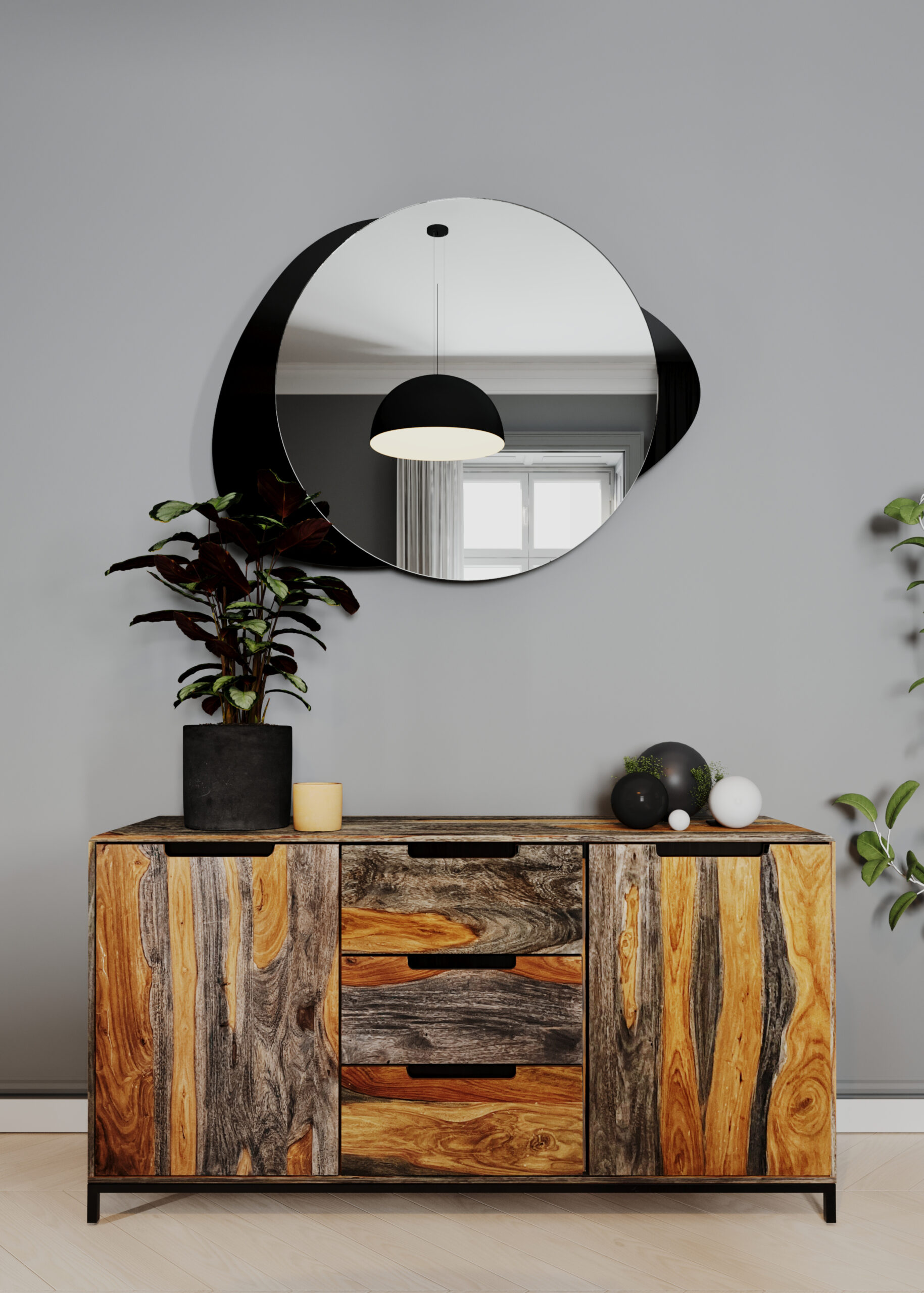
Most living rooms contain distinct zones, even if the space is open plan. Seating areas, reading corners, and walkways all benefit from different lighting approaches.
A seating area may rely on a combination of ambient ceiling light, a floor lamp for reading, and a table lamp for atmosphere. A corner used for work or hobbies may need stronger task lighting.
By lighting zones individually, you avoid lighting the entire room unnecessarily. This approach feels more natural and helps guide how the space is used.
Bulb choice affects both mood and function. The wrong bulb can undermine even the best lighting plan.
Warm white bulbs create a relaxed and inviting atmosphere. They suit ambient and accent lighting in living rooms. Neutral white bulbs work well for task lighting where clarity matters.
Pay attention to lumens rather than wattage. Higher lumens mean brighter light. Task lighting generally needs higher lumens than accent lighting.
Consistent colour temperature across the room helps maintain cohesion. Mixing warm and cool tones can make the space feel disjointed.
Lampshades control how light spreads. Opaque shades direct light downward or upward, while fabric shades diffuse it softly.
Choose shades that suit the purpose of the light. Reading lamps benefit from directional shades. Ambient lamps work best with diffused light.
Materials also affect light quality. Glass, fabric, metal, and wood all interact differently with light. Consider how these materials complement your furniture and overall style.
Evening lighting should feel calm and relaxing. This is where layered lighting truly shines.
Lower ambient lighting using dimmers. Switch on table lamps and floor lamps to create softer pools of light. Accent lighting adds warmth without brightness.
Avoid relying on ceiling lights alone in the evening. Overhead light can feel harsh and disrupt the atmosphere.
This layered approach supports relaxation and encourages the living room to feel like a place to unwind rather than a functional space.
Natural light levels change throughout the year. Layered lighting helps your living room adapt.
In winter, when daylight is limited, you may rely more on ambient and task lighting during the day. In summer, accent lighting may play a larger role in the evening.
Flexible lighting allows you to adjust without changing fittings. This adaptability adds long term value to your lighting design.
One common mistake is using too few light sources. A single ceiling light and one lamp rarely create enough depth.
Another issue is placing lamps without considering function. Decorative lamps that provide little usable light can frustrate daily use.
Ignoring dimmers is also a missed opportunity. Dimmers significantly increase the flexibility of your lighting without major changes.
Finally, avoid choosing lighting purely for appearance. A beautiful lamp that does not provide the right light will not work long term.
Start by listing how you use your living room. Identify areas where you need light and what type suits each activity.
Choose an ambient light source that provides even coverage. Add task lighting where focused activities take place. Use accent lighting to highlight features and soften the overall feel.
Test the room in the evening. Adjust bulb brightness and positioning until the space feels comfortable from every seat.
Layered lighting turns a living room from a simple space into a flexible, welcoming environment. It supports daily life while enhancing comfort and atmosphere.
By combining ambient, task, and accent lighting, you gain control over how the room feels at any moment. This approach reduces reliance on harsh overhead light and creates a more natural, lived in space.
When lighting works in layers, the living room feels complete. It adapts to your needs, complements your furniture, and makes every moment spent there more enjoyable.