Engineered vs Solid Oak Flooring: Which Should You Choose?
The short answer: engineered oak is the better choice for most modern homes — it is far more stable, works with underfloor heating, and gives the same real-oak surface as solid wood. Solid oak still suits traditional projects and rooms with stable conditions, but it moves more with heat and humidity.
Engineered oak
Solid oak
Construction
Real oak top layer over stable core
Single piece of solid oak
Stability
High — resists expansion/shrinkage
Lower — moves with humidity
Underfloor heating
Yes, recommended
Not usually recommended
Where it suits
Kitchens, basements, open-plan, whole homes
Traditional rooms, stable conditions
Lifespan
Decades; re-sandable (per wear layer)
Very long; re-sandable several times
Relative cost
Excellent value for the look
Higher for equivalent oak
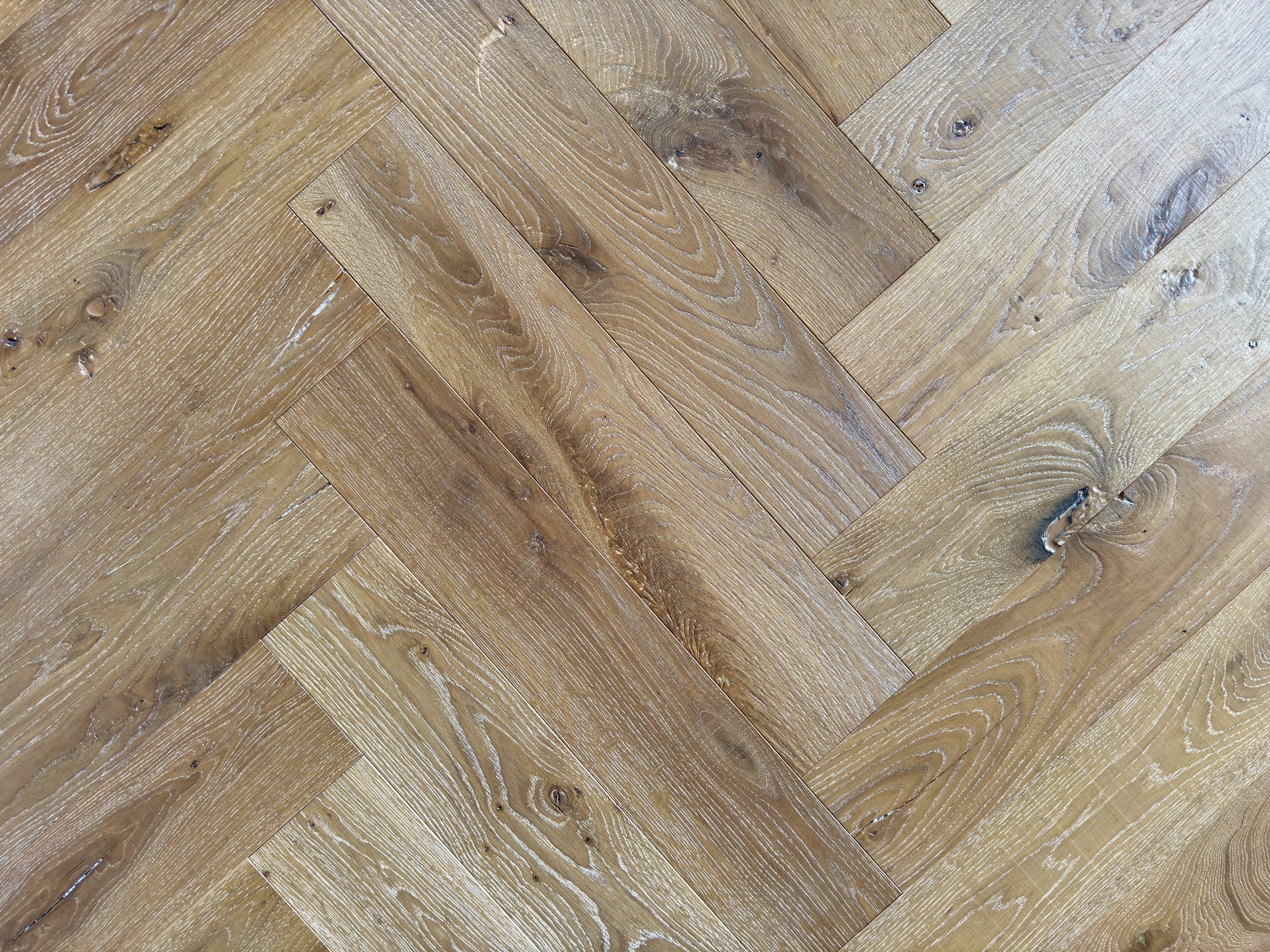
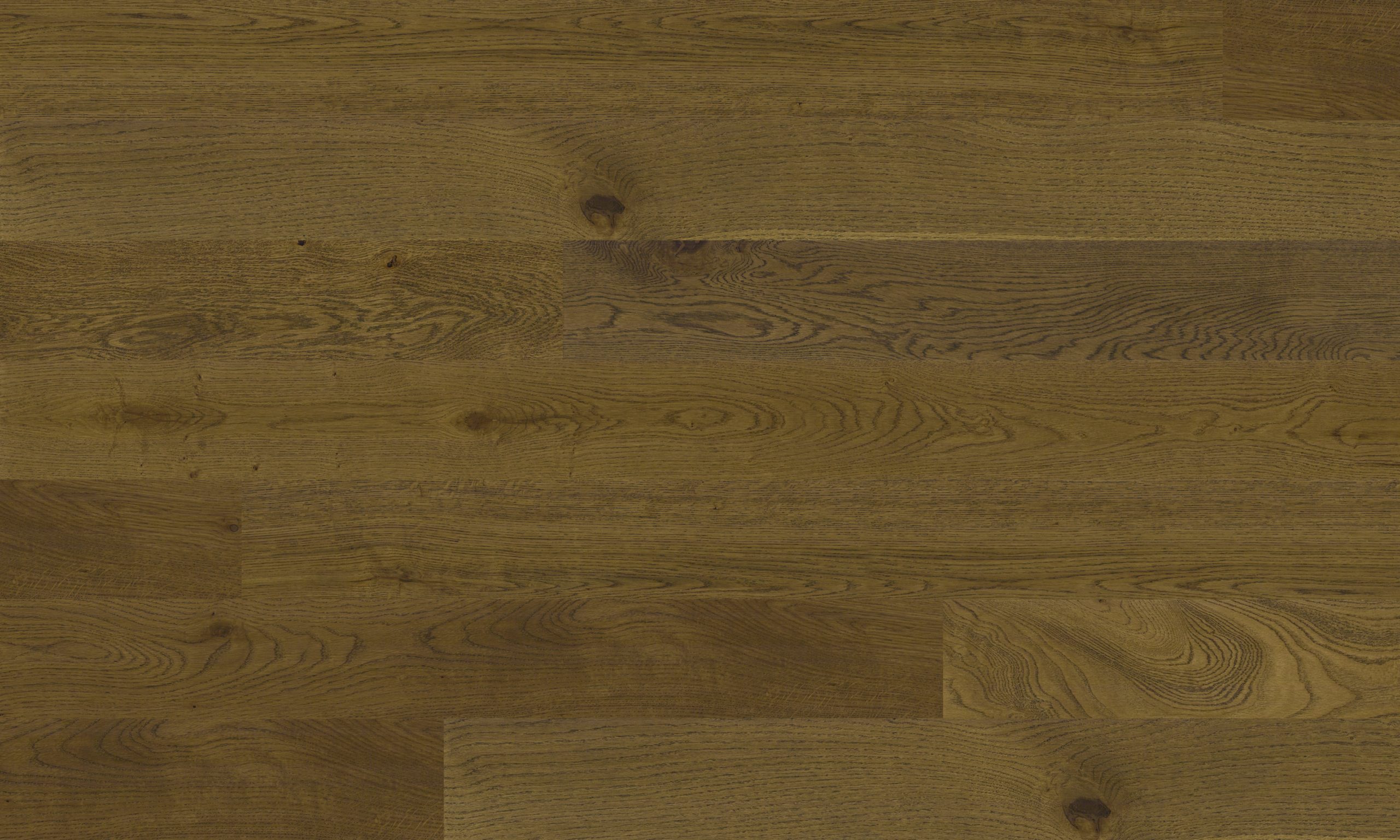
Because the surface of engineered oak is real oak, it looks identical to solid wood underfoot — the difference is the layered core beneath, which gives it the stability. For anyone with underfloor heating, a basement conversion, or large open-plan spaces, engineered oak is almost always the right call.
Frequently asked questions
Is engineered oak real wood?
Yes — the top layer is genuine oak; only the stabilising core beneath is layered.
Does engineered oak look cheaper than solid oak?
No — the visible surface is the same real oak, so there is no visible difference underfoot.
Can engineered oak be sanded and refinished?
Yes, depending on the thickness of its wear layer.
Which is better for underfloor heating?
Engineered oak — it stays stable with the temperature changes that make solid wood move.
Handcrafted with precision and elegance, our wood tables are the perfect centerpiece for any sophisticated space. Explore the timeless beauty and craftsmanship today.