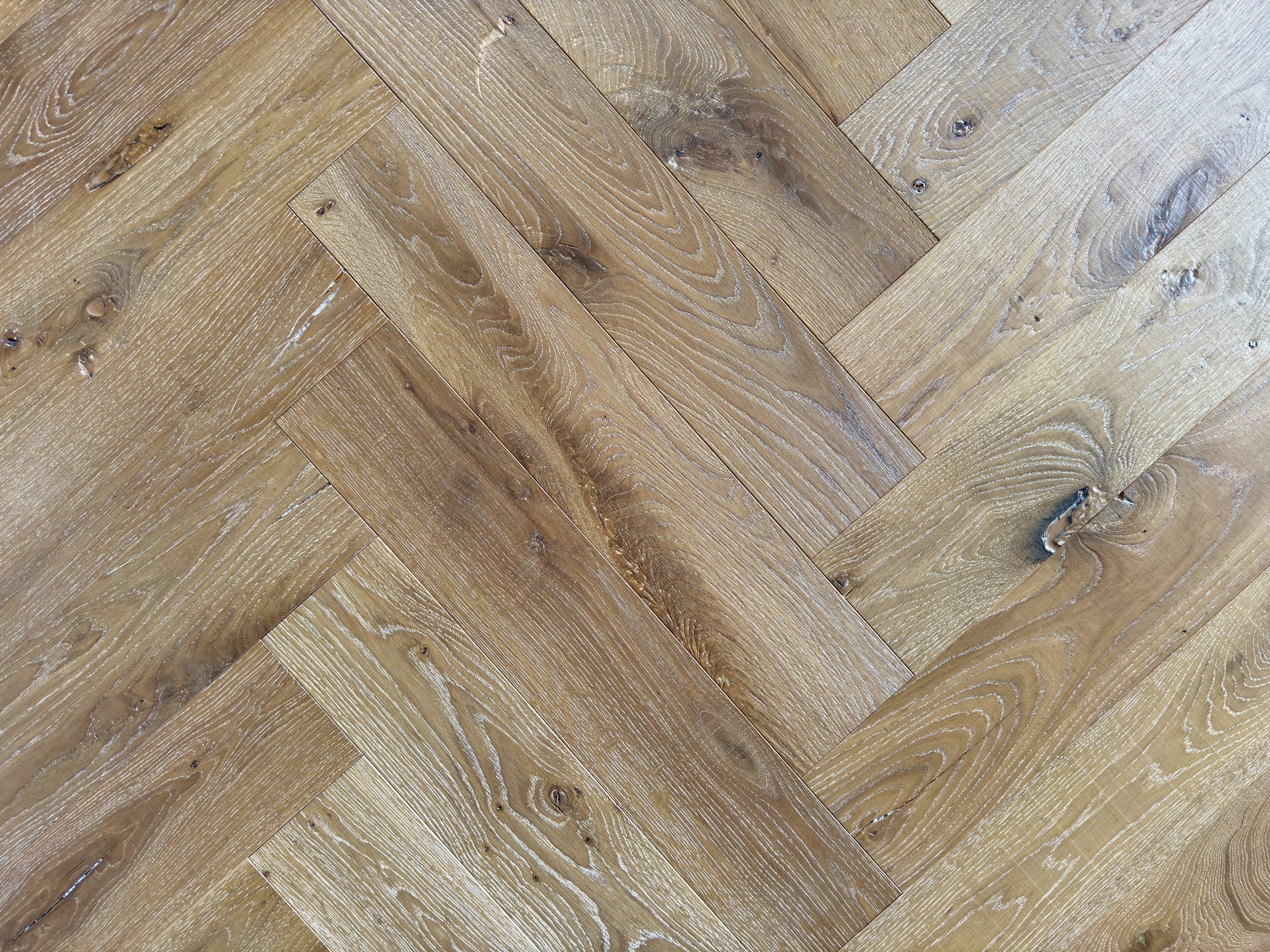
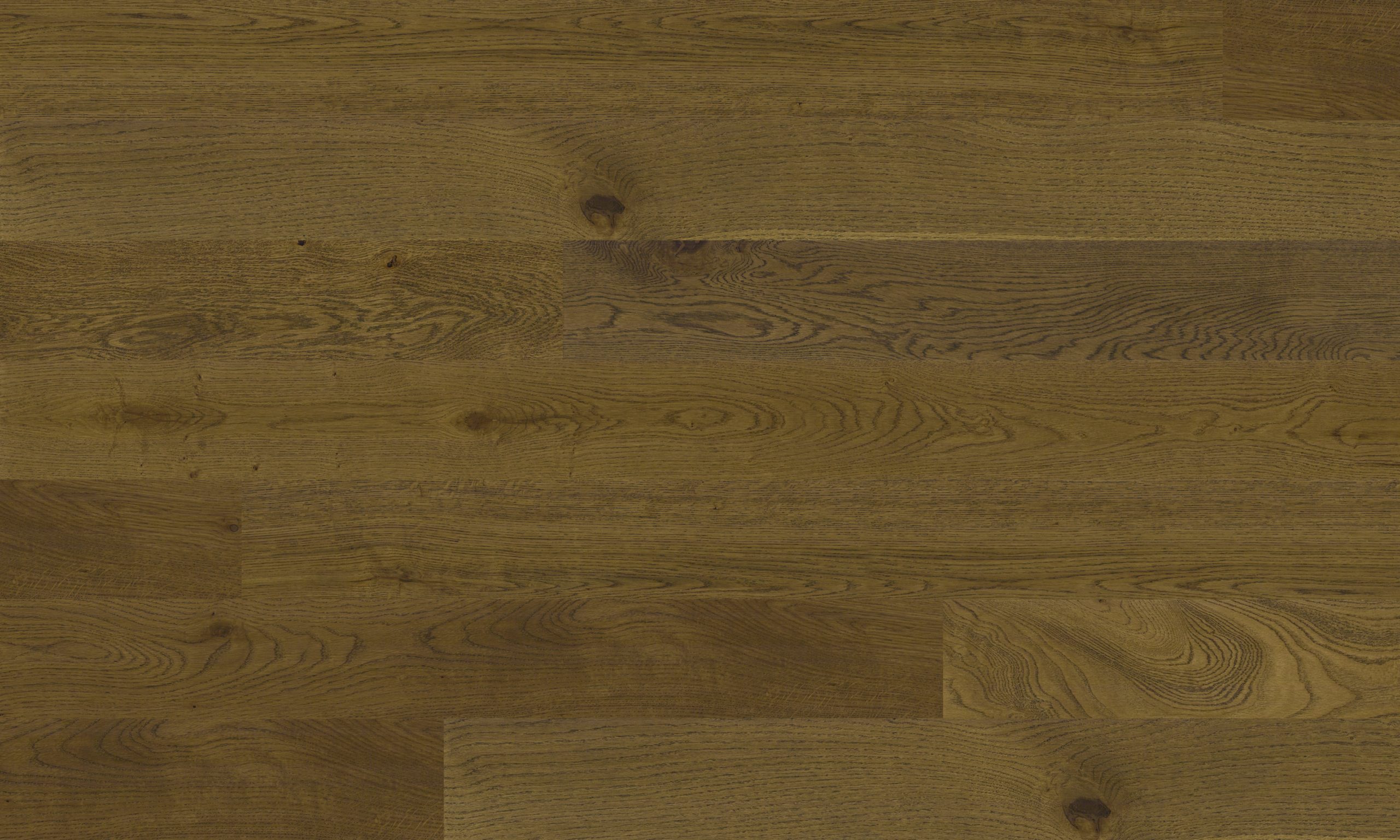
The short answer: engineered oak is the best wood flooring for underfloor heating. Its layered core stays stable as the floor heats and cools, where solid wood would expand, shrink and gap. It also conducts heat well, so rooms warm efficiently.
What to look for and do
- Choose engineered, not solid oak — stability under changing temperatures is the whole point.
- Favour wider, thicker boards with a good wear layer for even heat and long life.
- Fit it fully bonded (glued down) where possible for the best heat transfer and stability.
- Acclimatise the boards in the room before fitting, and commission the heating slowly.
- Keep the surface temperature within the maker’s limit (commonly up to ~27°C).
- Add rugs sparingly — large rugs trap heat and can cause localised drying.
Done properly, an engineered oak floor over underfloor heating gives you the warmth and efficiency of UFH with the look and feel of a real oak floor.
Frequently asked questions
Can you use wood flooring with underfloor heating?
Yes — engineered oak is designed for it; solid wood generally is not recommended.
What is the maximum floor temperature for engineered oak?
Typically around 27°C at the surface — always check the specific product guidance.
Should wood over underfloor heating be glued or floating?
Fully bonded (glued) is usually best for heat transfer and stability.
Do I need special underlay?
Use an underlay with low thermal resistance so it does not insulate against the heat.
Explore the collections: engineered oak flooring, including wide plank ideal for underfloor heating.