Herringbone vs Plank Flooring: Which Is Right for You?
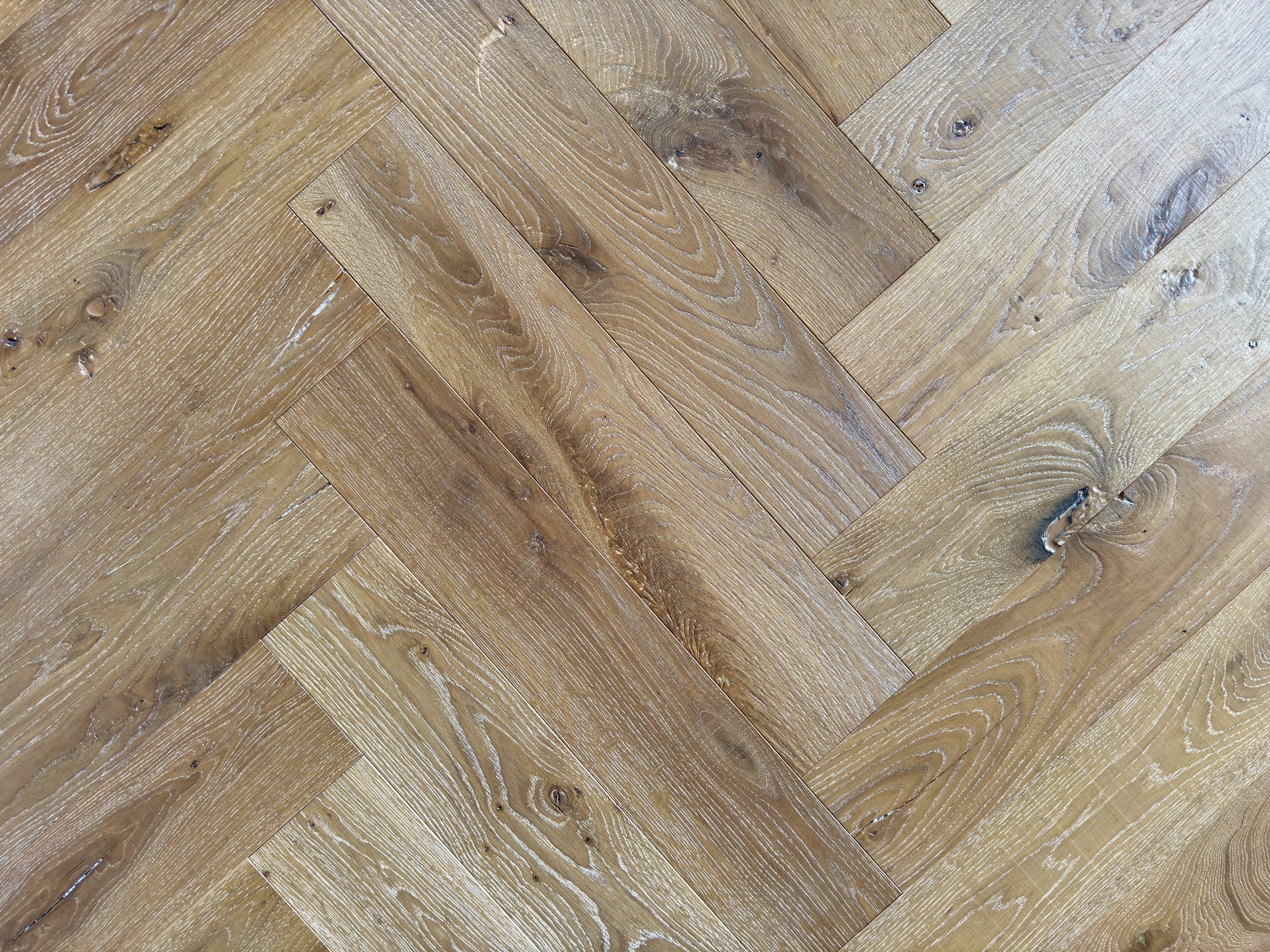
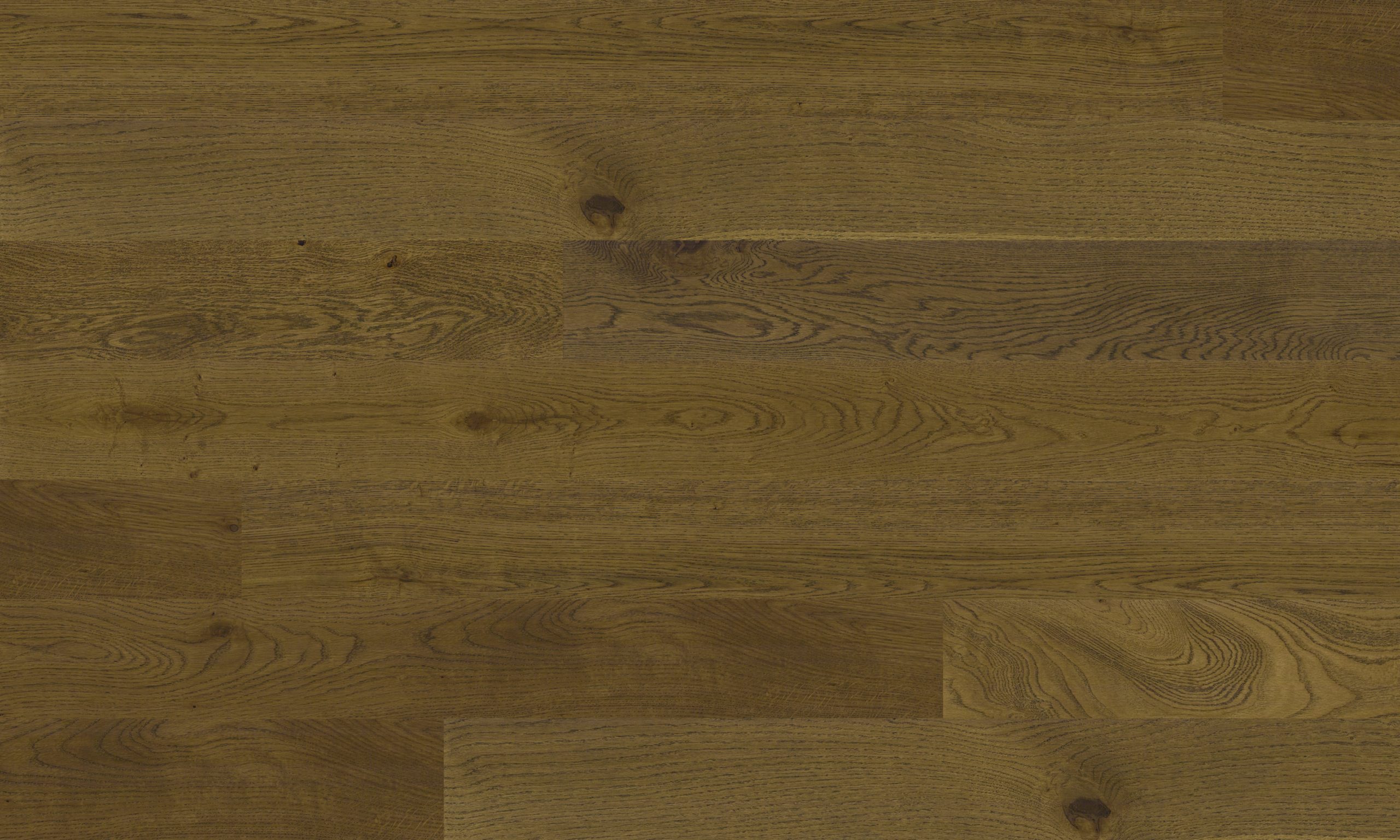
The short answer: choose herringbone for a decorative, characterful floor that makes a room feel considered and elegant, and choose wide planks for a calmer, more contemporary look that makes a space feel larger. Both are available in the same engineered oak, so the decision is about style and budget rather than quality.
Herringbone
Wide plank
Look
Decorative, classic, high-impact
Clean, contemporary, understated
Best rooms
Reception rooms, hallways, dining rooms
Open-plan spaces, kitchens, whole floors
Feels
Rich and considered
Larger and calmer
Fitting
More labour (angled pattern)
Faster, straightforward
Relative cost
Higher
Lower per m²
Herringbone suits period proportions and any space where you want the floor itself to be a feature. Wide planks suit modern interiors and large, continuous areas. If you love herringbone but have a tighter budget, using it in one hero room and planks elsewhere is a popular compromise.
Frequently asked questions
Is herringbone more expensive than plank flooring?
Usually yes — both the material and the fitting cost more because of the angled pattern and the extra labour involved.
Is herringbone flooring going out of style?
No. It is a centuries-old pattern that reads as timeless rather than trend-led, which is why it suits both period and modern homes.
Can you use herringbone in a small room?
Yes — a smaller-format herringbone can make a compact hallway feel intricate and elegant; just scale the block size to the room.
Is engineered herringbone as durable as plank?
Yes — durability comes from the oak wear layer and finish, which are the same across both formats.
Handcrafted with precision and elegance, our wood tables are the perfect centerpiece for any sophisticated space. Explore the timeless beauty and craftsmanship today.